Tinggalkan Pesan
Jika anda berminat dengan produk kami dan ingin mengetahui lebih lanjut, sila tinggalkan pesanan di sini, kami akan membalas anda secepat mungkin.

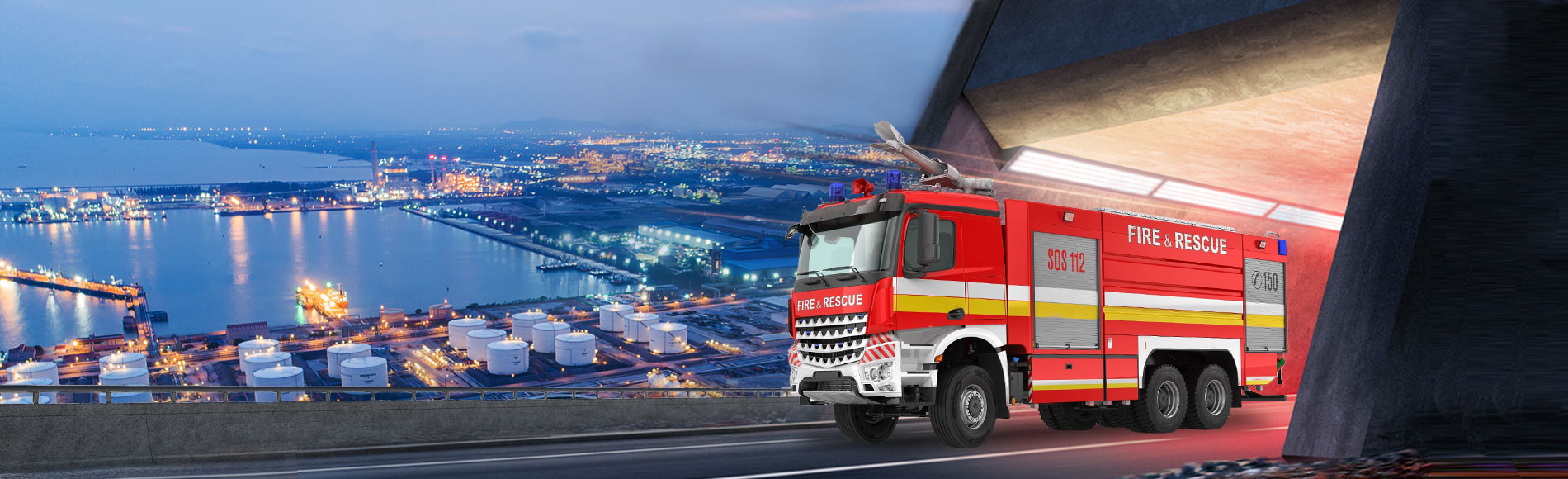
Sistem pam dan semburan trak bomba ialah teras operasi pemadaman kebakaran. Ia bertindak sebagai "lengan berkuasa" trak bomba. Dengan menukar kuasa enjin kepada tekanan (antara 0.8 hingga 1.4 MPa), ia menghantar bahan pemadam kebakaran ke ketinggian sehingga 85 meter — sama ada kebakaran bangunan tinggi di pusat bandar yang padat atau kebakaran tangki penyimpanan petrokimia di zon perindustrian, trak bomba bergantung pada sistem ini untuk mencapai pemadaman kebakaran yang berkesan.
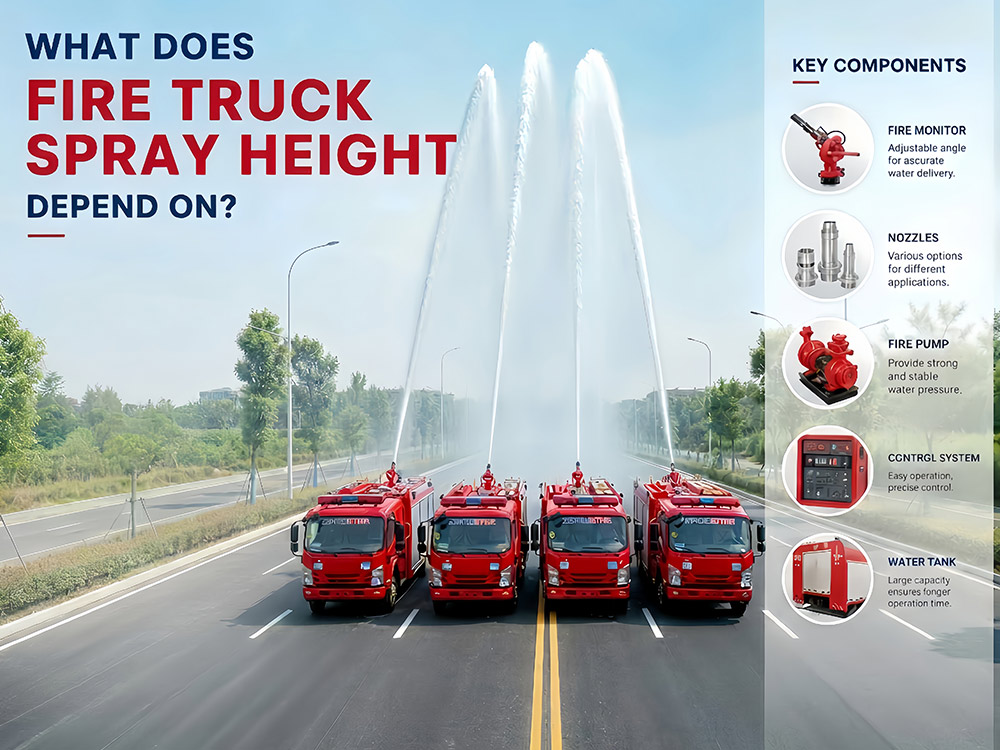
Apakah faktor yang mempengaruhi ketinggian semburan trak bomba, dan bagaimana tekanan pam, kadar aliran, serta pemantau kebakaran berfungsi bersama? Inilah perkara yang menjadi tumpuan ramai pelanggan. Mari kita pelajarinya hari ini.
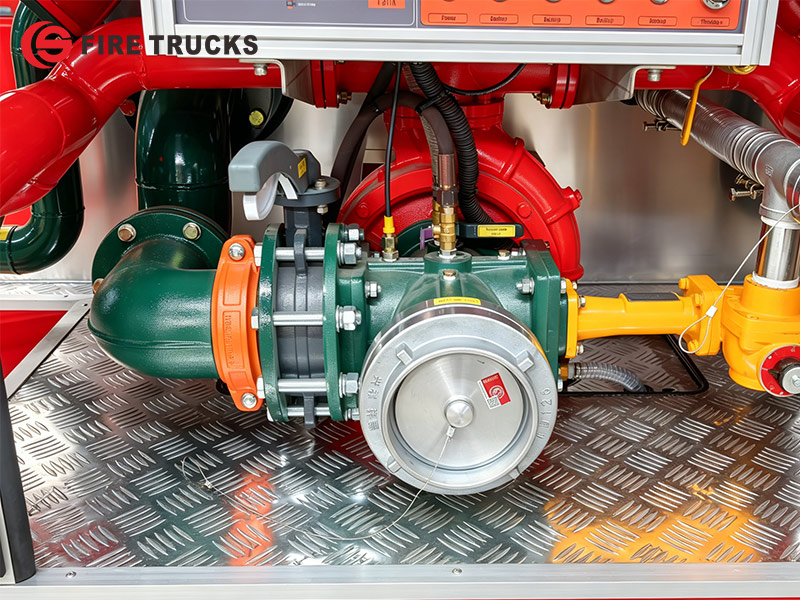
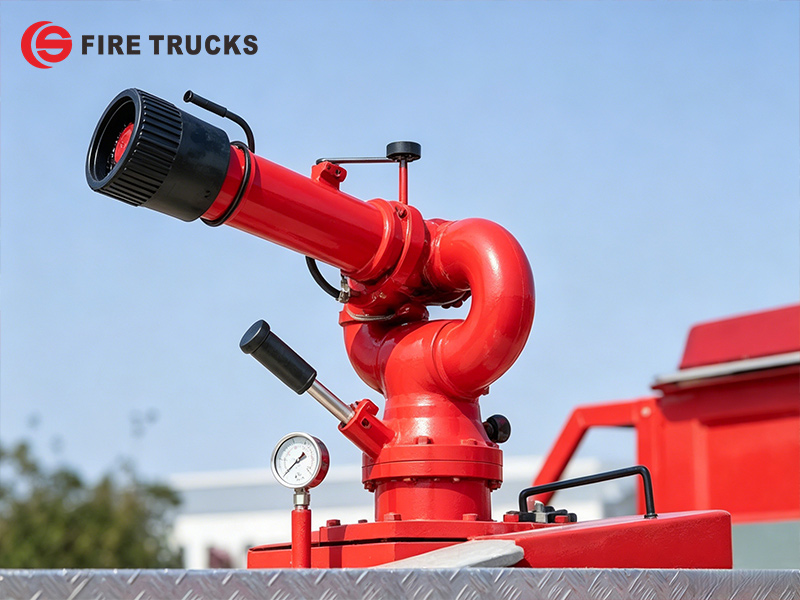
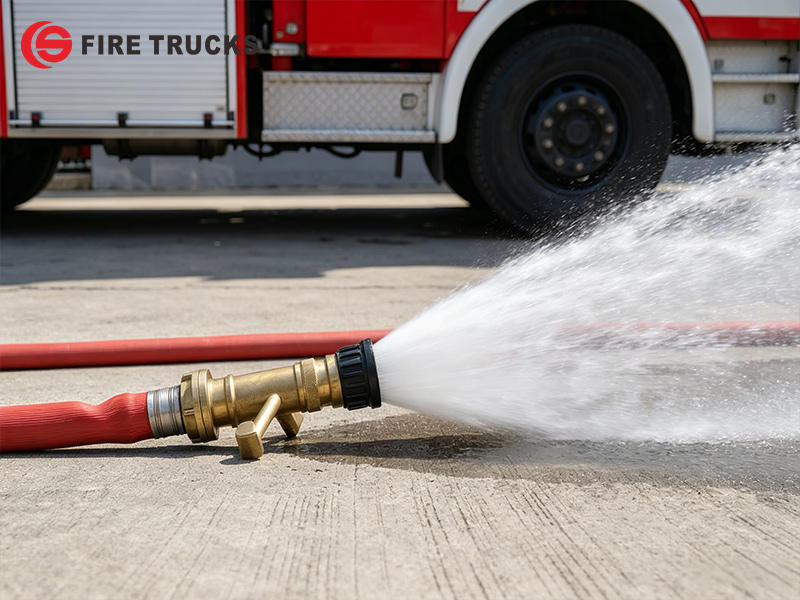
Tekanan pam trak bomba ialah daya yang dijana oleh pam bomba untuk menolak bahan pemadam kebakaran melalui hos dan mengeluarkannya dari muncung atau pemantau. Ia merupakan pemacu utama bagi kadar aliran dan jarak semburan. Tekanan yang lebih tinggi menghasilkan halaju yang lebih tinggi pada saluran keluar pemantau, sekali gus meningkatkan ketinggian semburan secara langsung. Hubungan ini dikawal oleh formula H ≈ P/(ρg), di mana setiap peningkatan 0.1 MPa menambah kira-kira 10 meter ketinggian teori — tetapi kehilangan sebenar mengurangkannya.
Dalam operasi pemadaman kebakaran sebenar, julat berikut digunakan:
| Tekanan Pam | Ketinggian Semburan Biasa |
| 0.8 MPa | 35–45 meter |
| 1.0 MPa | 45–55 meter |
| 1.2 MPa | 55–70 meter |
| 1.4 MPa | 70–85 meter |
Pam biasanya merupakan pam empar yang digerakkan oleh enjin trak melalui pelepas kuasa (PTO). Apabila pendesak berputar, ia menarik masuk bahan pemadam kebakaran dan menolaknya keluar melalui daya emparan, menghasilkan tekanan yang menggerakkannya melalui sistem pelepasan.
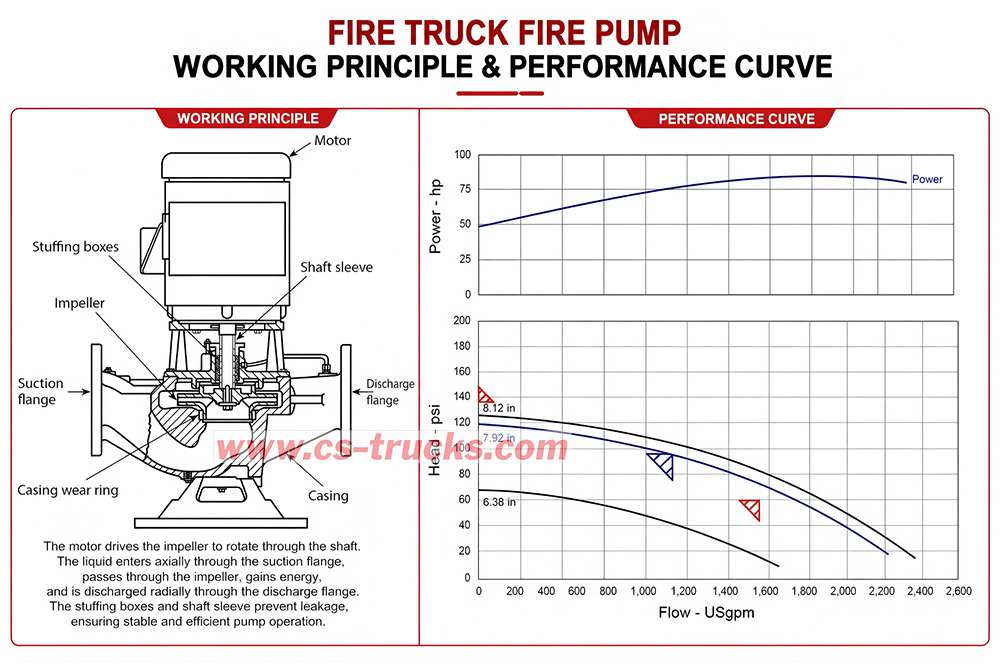 Tekanan Berkadar berbanding Tekanan Operasi:
| Istilah | Definisi |
| Tekanan Berkadar | Tekanan maksimum yang boleh dikekalkan secara berterusan oleh pam di bawah keadaan reka bentuk |
| Tekanan Operasi | Tekanan sebenar yang digunakan semasa pemadaman kebakaran, biasanya lebih rendah daripada tekanan berkadar untuk menyediakan margin keselamatan |
Aliran yang mencukupi adalah sama penting dengan tekanan. Tekanan tinggi dengan aliran rendah tidak dapat menghantar bahan pemadam kebakaran yang mencukupi untuk memadam kebakaran. Sistem pam mesti mengekalkan tekanan dan aliran secara serentak.
Hubungan aliran dengan ketinggian semburan:
2,000 L/min → berkesan untuk kebakaran perbandaran
3,000 L/min → sesuai untuk taman perindustrian
4,000 L/min → diperlukan untuk kemudahan petrokimia
5,000+ L/min → diperlukan untuk penyelamatan kemalangan pesawat di lapangan terbang
Laluan aliran dalaman, diameter saluran keluar, dan jenis pemantau secara langsung mempengaruhi ketinggian semburan.
Perbandingan jenis pemantau:
Pemantau air: Ketinggian tertinggi, laluan aliran lurus
Pemantau buih: Sedikit lebih rendah (5–10% kurang) disebabkan oleh pergolakan pengambilan udara
Pemantau dwifungsi: Sederhana (kompromi antara air dan buih)
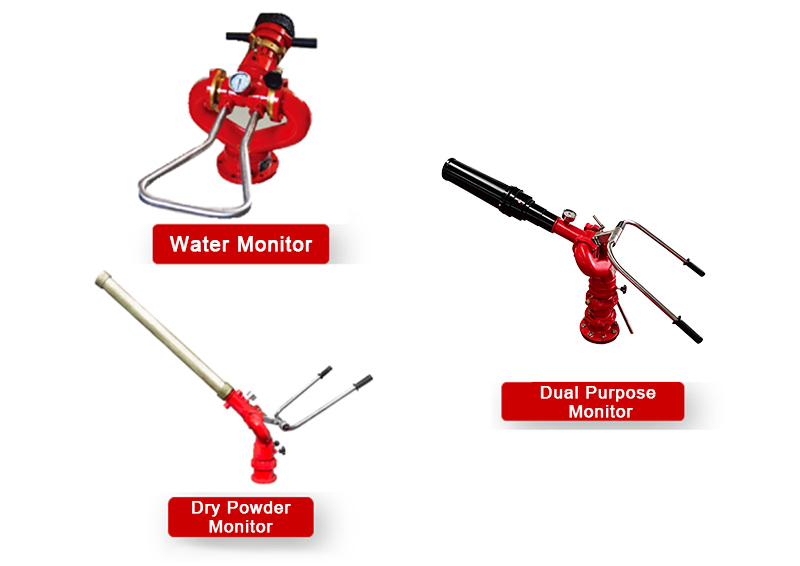
Air dan buih mempunyai ketumpatan yang berbeza. Larutan buih adalah kira-kira 5-10% lebih tumpat daripada air, yang sedikit mengurangkan ketinggian semburan pada tekanan yang sama. Perkara ini perlu dipertimbangkan apabila memilih peralatan untuk operasi buih.
Apabila bahan pemadam api mengalir melalui hos dan paip, geseran mengurangkan tekanan pada pemantau. Hos yang lebih panjang dan diameter yang lebih kecil meningkatkan kehilangan.
Faktor kehilangan geseran:
Panjang hos: Lebih panjang = lebih banyak kehilangan
Diameter hos: Lebih kecil = lebih banyak kehilangan
Kelengkapan dan selekoh: Setiap satu menambah rintangan
Untuk menyediakan pelanggan dengan penyelesaian pemadaman kebakaran terbaik, Lori Bomba memilih sistem yang paling sesuai berdasarkan aplikasi
keperluan: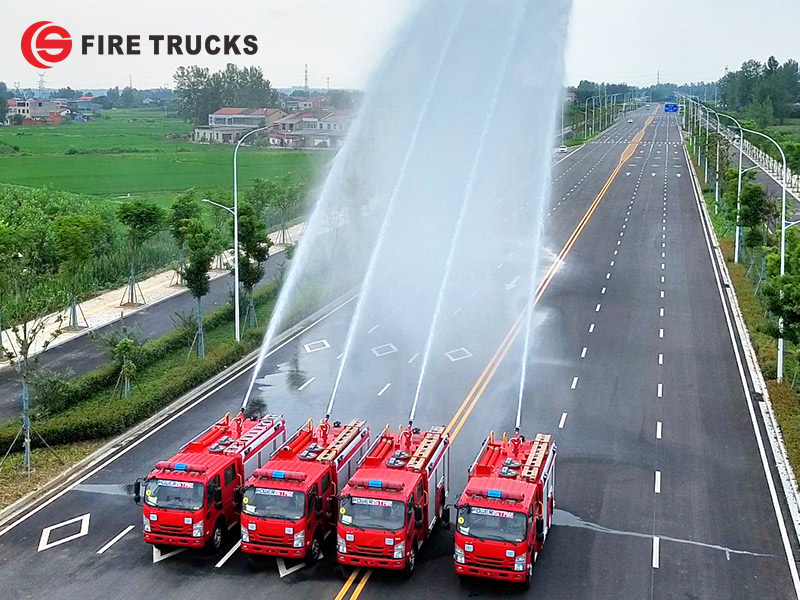
| Tekanan Pam | Kadar Aliran | Ketinggian Semburan | Aplikasi Disyorkan |
| 0.8 MPa | 2,000 L/min | 35–45 m | Pemadaman kebakaran perbandaran |
| 1.0 MPa | 3,000 L/min | 45–55 m | Taman perindustrian |
| 1.2 MPa | 4,000 L/min | 55–70 m | Kemudahan petrokimia |
| 1.4 MPa | 5,000+ L/min | 70–85 m | Pemadaman kebakaran lapangan terbang |
| Aplikasi | Jenis Monitor yang Disyorkan | Sebab |
| Pemadaman kebakaran bandar | Monitor air | Ketinggian semburan tertinggi, operasi mudah |
| Kilangan minyak/tumbuhan kimia | Monitor buih atau serba guna | Mengendalikan kebakaran cecair mudah terbakar |
| Penyelamatan kemalangan lapangan terbang | Monitor buih (kapasiti tinggi) | Jumlah buih yang besar diperlukan |
| Risiko kebakaran bercampur | Monitor serba guna | Fleksibiliti untuk air dan buih |
| Faktor | Kesan | Cara Mengoptimumkan |
| Tekanan pam | Secara terus berkadar | Pilih tekanan yang sesuai untuk aplikasi |
| Kadar aliran | Mengekalkan pemadaman kebakaran | Seimbangkan tekanan dengan aliran |
| Reka bentuk monitor | Variasi sehingga 10% | Padankan jenis monitor dengan aplikasi |
| Jenis agen | Buih sedikit mengurangkan ketinggian | Ambil kira perbezaan ketumpatan |
| Kehilangan geseran | Mengurangkan tekanan efektif | Gunakan hos lebih pendek/besar |
| Kenaikan elevasi | Menggunakan tekanan | Tambah tekanan untuk ketinggian |
| Kelajuan angin | Mengurangkan ketinggian berkesan | Letakkan trak melawan arah angin |
Latar Belakang Kes:
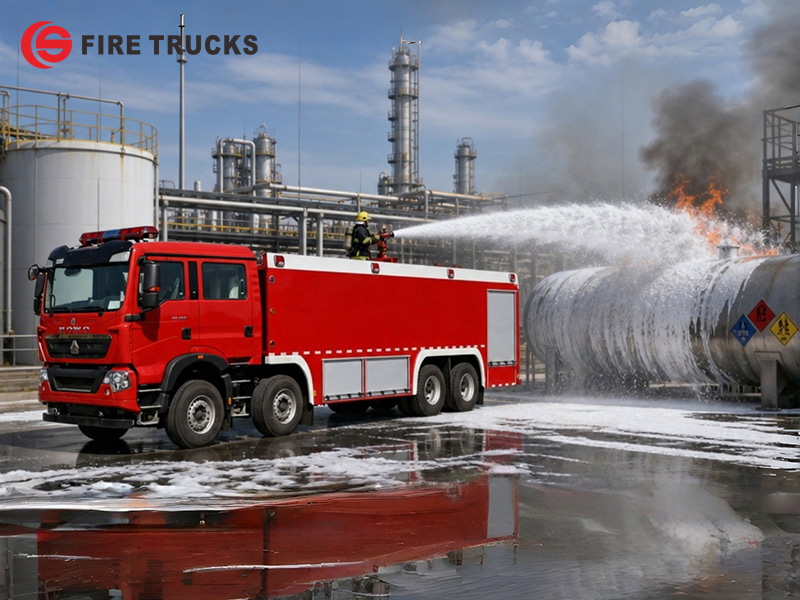
Kebakaran berskala besar berlaku di sebuah kemudahan penyimpanan petrokimia di zon perindustrian. Kebakaran melibatkan tangki bumbung terapung berdiameter 50 meter yang mengandungi minyak mentah. Hos dari permukaan tanah tidak dapat mencapai kebakaran disebabkan oleh ketinggian tangki dan zon haba sinaran.
Konfigurasi Trak Bomba:
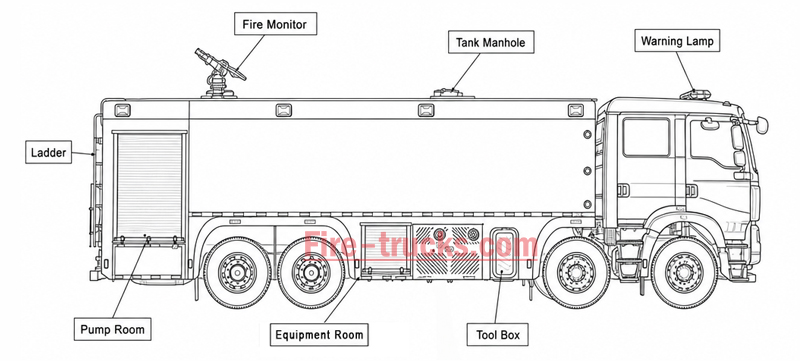
Trak bomba buih 8×4
Sistem pam berkadar 1.2 MPa / 4,000 L/min
Pemantau dwi-tujuan buih/air PL48
Prestasi Sebenar:
Ketinggian semburan diukur: kira-kira 62 meter
Liputan berkesan: kawasan tangki berdiameter kira-kira 80 meter
Lapisan buih berjaya memadam kebakaran dalam masa 8 minit
Pengajaran Utama:
Untuk kebakaran tangki penyimpanan besar, tekanan di bawah 1.0 MPa selalunya tidak mencukupi untuk menghantar buih melepasi jarak yang diperlukan. Gabungan tekanan yang mencukupi, kadar aliran tinggi, dan pemantau yang dipilih dengan betul adalah penting untuk pemadaman kebakaran yang berkesan.
Salah faham 1: Tekanan lebih tinggi sentiasa lebih baik
Realiti:Tekanan lebih tinggi meningkatkan penggunaan tenaga, kos peralatan, dan kerumitan penyelenggaraan. Tekanan berlebihan juga boleh merosakkan hos dan muncung. Matlamatnya ialah tekanan yang mencukupi untuk kerja tersebut, bukan tekanan maksimum.
Salah faham 2: Ketinggian semburan sama dengan keupayaan memadam kebakaran
Realiti:Kadar aliran selalunya lebih kritikal berbanding ketinggian. Pancutan tinggi dengan aliran rendah mungkin tidak menghantar agen pemadam yang mencukupi untuk memadam kebakaran. Nilai gabungan tekanan dan aliranlah yang penting.
Salah faham 3: Kehilangan geseran boleh diabaikan
Realiti:Pada bentangan hos yang panjang, kehilangan geseran boleh menggunakan 20-30% daripada tekanan pam. Pengiraan kehilangan geseran yang betul adalah penting untuk memastikan tekanan mencukupi pada muncung.
Salah faham 4: Pemantau tidak memberi perbezaan
Realiti:Pam tekanan tinggi yang disambungkan kepada pemantau yang direka bentuk dengan kurang baik tidak akan mencapai ketinggian semburan maksimum. Laluan aliran dalaman pemantau, diameter saluran keluar, dan jenisnya semuanya mempengaruhi prestasi akhir. Memadankan pemantau dengan pam sama pentingnya seperti memilih pam itu sendiri.
S: Apakah tekanan pam yang paling biasa pada trak bomba?
J: Kebanyakan trak bomba direka dengan tekanan pam antara 0.8 hingga 1.2 MPa, dengan 1.0 MPa menjadi piawaian yang paling biasa.
S: Sejauh mana tinggi pam 1.0 MPa boleh menyembur?
J: Dalam keadaan standard, pam 1.0 MPa boleh mencapai ketinggian semburan 45 hingga 55 meter menggunakan pemantau sederhana hingga besar.
S: Mengapakah kebakaran bangunan tinggi memerlukan tekanan pam yang lebih tinggi?
J: Kebakaran bangunan tinggi memerlukan tekanan tambahan untuk mengatasi peningkatan ketinggian (ketinggian 1.0 m memerlukan kira-kira 0.01 MPa) dan kehilangan geseran dalam saluran hos menegak.
S: Adakah pemantau buih mencapai ketinggian semburan yang sama seperti pemantau air?
J: Lazimnya, pemantau buih mencapai ketinggian yang sedikit lebih rendah (5-10% kurang) berbanding pemantau air pada tekanan yang sama disebabkan oleh reka bentuk pengambilan udara yang menghasilkan turbulensi dan ketumpatan larutan buih yang lebih tinggi.
S: Apakah faktor paling penting untuk ketinggian semburan?
J: Tiada satu faktor tunggal yang menentukan ketinggian semburan. Tekanan pam, kadar aliran, reka bentuk pemantau, jenis muncung dan keadaan persekitaran semuanya berfungsi bersama. Sistem yang seimbang dengan baik lebih berkesan berbanding sistem yang hanya cemerlang dalam satu aspek sahaja.
S: Adakah pemantau itu sendiri mempengaruhi ketinggian semburan?
J: Ya. Laluan aliran dalaman pemantau, diameter saluran keluar dan jenisnya (air, buih atau dwifungsi) semuanya secara langsung mempengaruhi ketinggian semburan. Pemantau yang direka dengan baik memaksimumkan tenaga yang dihantar oleh pam.
Ketinggian semburan bergantung pada pelbagai faktor — tekanan pam, kadar aliran, reka bentuk pemantau, jenis agen, kehilangan geseran, ketinggian dan keadaan angin
1.0–1.2 MPa ialah julat tekanan arus perdana untuk kebanyakan aplikasi pemadaman kebakaran industri
Pemilihan pemantau adalah penting — pam tekanan tinggi dengan pemantau yang direka bentuk dengan kurang baik tidak akan mencapai ketinggian semburan maksimum
Kadar aliran sama pentingnya dengan tekanan — tekanan tinggi dengan aliran rendah mungkin tidak menghantar agen pemadam yang mencukupi untuk memadamkan kebakaran
Agen yang berbeza mempunyai ciri semburan yang berbeza — buih lebih tumpat dan mencapai ketinggian yang sedikit lebih rendah
Projek petrokimia dan lapangan terbang biasanya memerlukan 1.2 MPa atau lebih tinggi
Untuk projek antarabangsa, utamakan trak bomba yang mematuhi piawaian yang diiktiraf seperti NFPA, EN atau GB
Ketinggian semburan trak bomba tidak ditentukan oleh satu faktor tunggal. Ia bergantung pada kesan gabungan tekanan pam, kadar aliran, reka bentuk pemantau, jenis agen, kehilangan geseran, pertambahan ketinggian dan keadaan angin.


Anda mungkin berminat dengan maklumat berikut
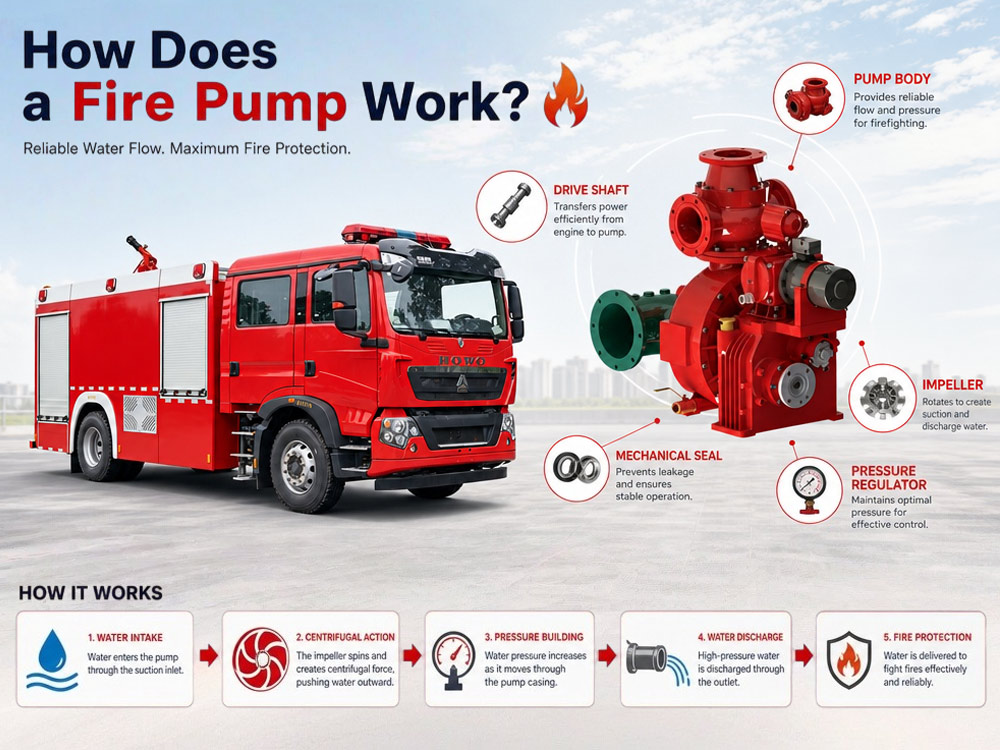
Pam bomba kebakaran ialah nadi utama sistem penghantaran air setiap trak bomba. Sama ada bertindak balas terhadap kebakaran struktur, kecemasan industri, insiden lapangan terbang, atau operasi kawasan liar, pam bombapada sebuah trak bomba bertanggungjawab menghantar air bertekanan tinggi ke hos, monitor kebakaran, dan sistem buih.Reka bentuk pendesak emparnya dan sistem dipacu PTO memastikan tekanan stabil serta kadar aliran tinggi, secara langsung meningkatkan keberkesanan pemadaman kebakaran lebih daripada 40%, sambil mengurangkan masa tindak balas sebanyak 3 kali ganda. Ia boleh dipanggil penjaga tidak kelihatan bagi operasi pemadaman kebakaran dan asas teknikal tindak balas kecemasan moden. Ketahui cara pam bomba berfungsi, termasuk prinsip kerja, komponen utama, proses aliran air, penjanaan tekanan, dan aplikasi. Temui cara pam trak bomba membekalkan bekalan air yang boleh dipercayai untuk pemadaman kebakaran serta cara memilih pam yang sesuai untuk kenderaan pemadam kebakaran anda.Mari pelajarinya hari ini. » I. Pertama, kita perlu mengetahui tiga komponen utama sistem pam bomba: 1. Pendesak: Komponen berputar yang menarik masuk air dan melontarkannya keluar melalui daya empar. Biasanya diperbuat daripada gangsa, keluli tahan karat, atau besi tuang. 2. Selongsong pam: Perumah yang mengandungi pendesak dan mengarahkan aliran air. Direka untuk menukar halaju kepada tekanan. 3. Pengambilan Kuasa (PTO): Sambungan mekanikal yang memindahkan kuasa enjin daripada transmisi trak ke pam bomba. » II. Selepas mengetahui komponen utama, prinsip kerja teras pam bomba adalah seperti berikut: 1. Kuasa dipindahkan daripada enjin melalui PTO Enjin trak memacu PTO, yang bersambung dengan aci pam. Apabila pengendali mengaktifkan PTO, kuasa enjin dialihkan untuk memutarkan pendesak pam pada kelajuan tinggi. 2. Pendesak mula berputar Pendesak berputar pada 1,500–2,500 RPM, menarik air masuk ke dalam pam melalui salur masuk sedutan. Bilah pendesak yang berputar menghasilkan zon tekanan rendah di bahagian tengah, menarik air masuk daripada tangki terbina dalam, pili bomba, atau sumber air semula jadi. 3. Daya empar meningkatkan tekanan air Apabila pendesak berputar, ia melontarkan air keluar melalui daya empar. Halaju air meningkat apabila ia bergerak dari tengah ke tepi luar pendesak. Selongsong pam kemudian menukarkan halaju ini kepada tekanan, memaksa air bertekanan tinggi keluar melalui salur keluar pelepasan. 4. Air bertekanan tinggi keluar melalui salur keluar pelepasan Air bertekanan (biasanya 0.8–1.2 MPa) keluar melalui salur keluar pelepasan dan dihantar ke hos kebakaran, monitor kebakaran, atau sistem perkadaran buih untuk operasi pemadaman kebakaran. » III. Dari manakah pam bomba mendapatkan air? Pam bomba boleh menarik air daripada tiga sumber: Tangki air terbina dalam: Sumber air utama untuk serangan awal. Kapasiti biasa: 2,000–12,000 liter. Membekalkan air serta-merta apabila tiba di lokasi. Pili bomba: Disambungkan melalui hos bekalan. Membekalkan ...
Perincian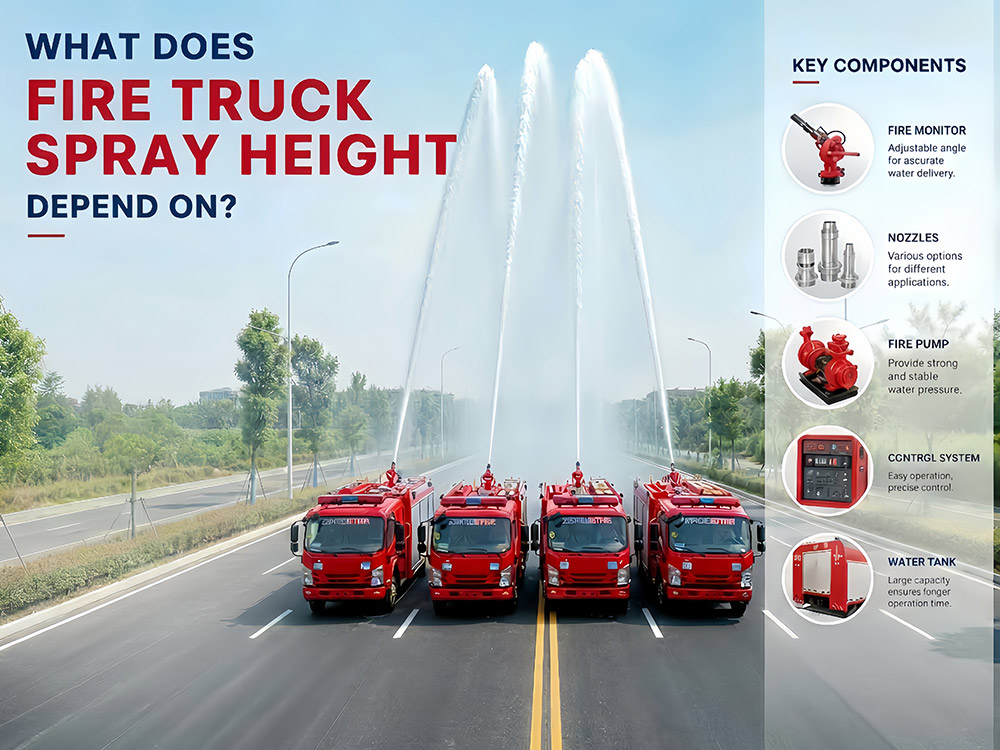
Sistem pam dan semburan trak bomba ialah teras operasi pemadaman kebakaran. Ia bertindak sebagai "lengan berkuasa" trak bomba. Dengan menukar kuasa enjin kepada tekanan (antara 0.8 hingga 1.4 MPa), ia menghantar bahan pemadam kebakaran ke ketinggian sehingga 85 meter — sama ada kebakaran bangunan tinggi di pusat bandar yang padat atau kebakaran tangki penyimpanan petrokimia di zon perindustrian, trak bomba bergantung pada sistem ini untuk mencapai pemadaman kebakaran yang berkesan. Apakah faktor yang mempengaruhi ketinggian semburan trak bomba, dan bagaimana tekanan pam, kadar aliran, serta pemantau kebakaran berfungsi bersama? Inilah perkara yang menjadi tumpuan ramai pelanggan. Mari kita pelajarinya hari ini. » I. Tiga Komponen Utama Yang Menentukan Ketinggian Semburan 1. Sistem pam bomba: Jantung trak bomba. Pam empar digerakkan oleh PTO. Gred tekanan biasa: 0.8 MPa, 1.0 MPa, 1.2 MPa, 1.4 MPa. Kadar aliran daripada 2,000 hingga lebih 5,000 L/min. 2. Pemantau kebakaran: Komponen terakhir sebelum bahan pemadam kebakaran keluar dari trak. Tersedia dalam pemantau air, pemantau buih, dan pemantau dwiguna. Siri PL (PL48) dengan kadar aliran sehingga 4,000 L/min dan ketinggian semburan sehingga lebih 70 meter. 3. Sistem penghantaran: Paip, hos, dan muncung yang membawa bahan pemadam kebakaran dari pam ke pemantau. Diameter hos, panjang, dan jenis muncung semuanya mempengaruhi ketinggian semburan akhir. » II. Faktor Teras Yang Menentukan Ketinggian Semburan 1.1. Tekanan Pam Tekanan pam trak bomba ialah daya yang dijana oleh pam bomba untuk menolak bahan pemadam kebakaran melalui hos dan mengeluarkannya dari muncung atau pemantau. Ia merupakan pemacu utama bagi kadar aliran dan jarak semburan. Tekanan yang lebih tinggi menghasilkan halaju yang lebih tinggi pada saluran keluar pemantau, sekali gus meningkatkan ketinggian semburan secara langsung. Hubungan ini dikawal oleh formula H ≈ P/(ρg), di mana setiap peningkatan 0.1 MPa menambah kira-kira 10 meter ketinggian teori — tetapi kehilangan sebenar mengurangkannya. Dalam operasi pemadaman kebakaran sebenar, julat berikut digunakan: Tekanan Pam Ketinggian Semburan Biasa 0.8 MPa 35–45 meter 1.0 MPa 45–55 meter 1.2 MPa 55–70 meter 1.4 MPa 70–85 meter 1.2. Cara pam bomba berfungsi: Pam biasanya merupakan pam empar yang digerakkan oleh enjin trak melalui pelepas kuasa (PTO). Apabila pendesak berputar, ia menarik masuk bahan pemadam kebakaran dan menolaknya keluar melalui daya emparan, menghasilkan tekanan yang menggerakkannya melalui sistem pelepasan. Tekanan Berkadar berbanding Tekanan Operasi: Istilah Definisi Tekanan Berkadar Tekanan maksimum yang boleh dikekalkan secara berterusan oleh pam di bawah keadaan reka bentuk Tekanan Operasi Tekanan sebenar yang digunakan semasa pemadaman kebakaran, biasanya lebih rendah daripada tekanan berkadar untuk menyediakan margin keselamatan 2. Kadar Aliran (L/min) Aliran yang mencukupi adalah sama penting dengan tekanan. Tekanan tinggi dengan aliran rendah tidak dapa...
Perincian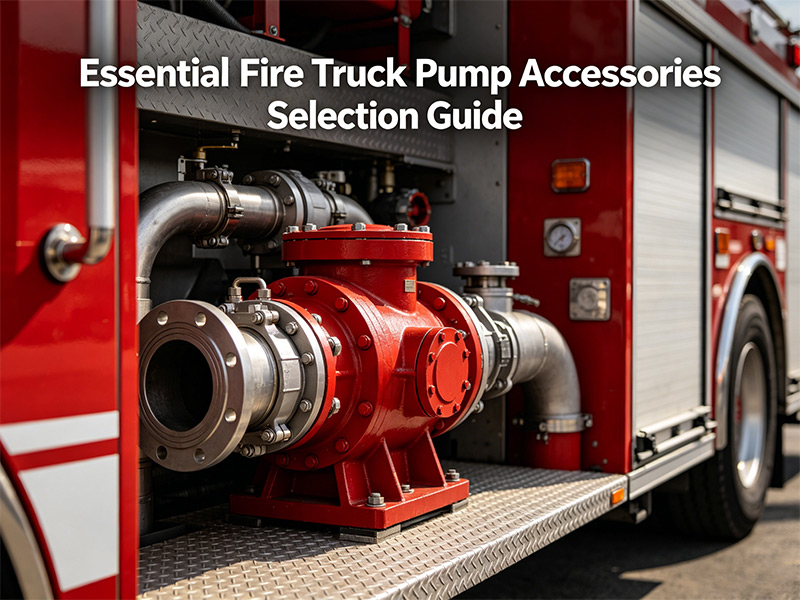
Sistem pam trak bomba hanya boleh dipercayai sebagaimana komponen-komponennya. Daripada menarik air daripada sumber hingga mengeluarkannya pada tekanan tinggi, setiap aksesori memainkan peranan penting. Panduan ini merangkumi trak bomba lima kategori aksesori utama: pemula, injap bebola, injap glob, pengadun perkadaran buih, dan sistem kawalan hidraulik. Memahami komponen ini membantu anggota bomba menyelenggara peralatan mereka dan memilih aksesori yang sesuai untuk aplikasi tertentu. I. Siri Pemula (Peranti Penyebuan Vakum) Pemula adalah penting untuk menarik air daripada tasik, sungai, atau sumber statik lain apabila pili bomba tidak tersedia. Ia mengeluarkan udara daripada pam dan hos sedutan, membolehkan tekanan atmosfera menolak air masuk ke dalam pam. Gambaran Keseluruhan Produk Produk Vakum Maksimum Voltan Kuasa Saiz Pam yang Sesuai pemula 2 omboh >85kPa 24V - Di bawah 100 L/s Pemula elektrik 2 omboh >85kPa 24V 2.1KW Di bawah 100 L/s pemula 4 omboh >85kPa 24V - Melebihi 100 L/s Pemula elektrik 4 omboh >85kPa 24V 2.1KW Melebihi 100 L/s Ciri Utama: Pemula Elektrik Pemula elektrik menawarkan kelebihan yang ketara — ia boleh menyebukan pam tanpa pam berputar. Ini melindungi pengedap mekanikal daripada kerosakan akibat operasi kering. Apabila pemula standard memerlukan pam berputar, versi elektrik berfungsi secara bebas, memanjangkan hayat pengedap. II. Siri Injap Bebola (Kawalan Aliran) Injap bebola mengawal aliran air melalui hos dan saluran keluar pelepasan. Ia direka untuk operasi hidup/mati pantas dengan pusingan mudah 90°. Injap Bebola Keluli Tahan Karat Model Bahan Tekanan Berkadar Benang Operasi FQS65/2.5 Badan & bebola: keluli tahan karat 304; Pengedap: PTFE 2.5 MPa G2-1/2" Roda tangan / Tuas FQS80/2.5 Badan & bebola: keluli tahan karat 304; Pengedap: PTFE 2.5 MPa G3" Roda tangan / Tuas Injap Bebola Aloi Aluminium (Berat lebih ringan) Model Bahan Tekanan Nominal Benang Operasi FQS65/2.5 Badan: A356.2; Bebola: 304; Pengedap: PTFE 2.5 MPa G2.5" Roda tangan / Tuas FQS80/1.6 Badan: A356.2; Bebola: 304; Pengedap: PTFE 1.6 MPa G3" Roda tangan / Tuas FQS65/2.5 Segi empat Badan: A356.2; Bebola: 304; Pengedap: PTFE 2.5 MPa - Pneumatik / Tuas Ⅲ. Siri Injap Glob (Pelarasan Tekanan & Aliran) Tidak seperti injap bebola yang direka untuk operasi buka/tutup, injap glob membolehkan kawalan tepat terhadap kadar aliran dan tekanan. Ia sesuai untuk keadaan yang memerlukan pelarasan berperingkat. Model Bahan Tekanan Nominal Benang Operasi DN65/2.5 Badan: A356.2; Batang: H62; Pengedap: NBR 2.5 MPa G2.5" Roda tangan DN80/2.5 Badan: A356.2; Batang: H62; Pengedap: NBR 2.5 MPa G3" Roda tangan Bila Menggunakan Injap Globe Gunakan injap globe pada titik pelepasan yang memerlukan kawalan tekanan halus, seperti ketika mengisi tangki kenderaan lain atau membekalkan talian hos pada tekanan tertentu. IV. Siri Perkadaran Buih (Peralatan Pencampuran Buih) Perkadaran buih mencampurkan pekat buih dengan air pada nisbah yan...
Perincian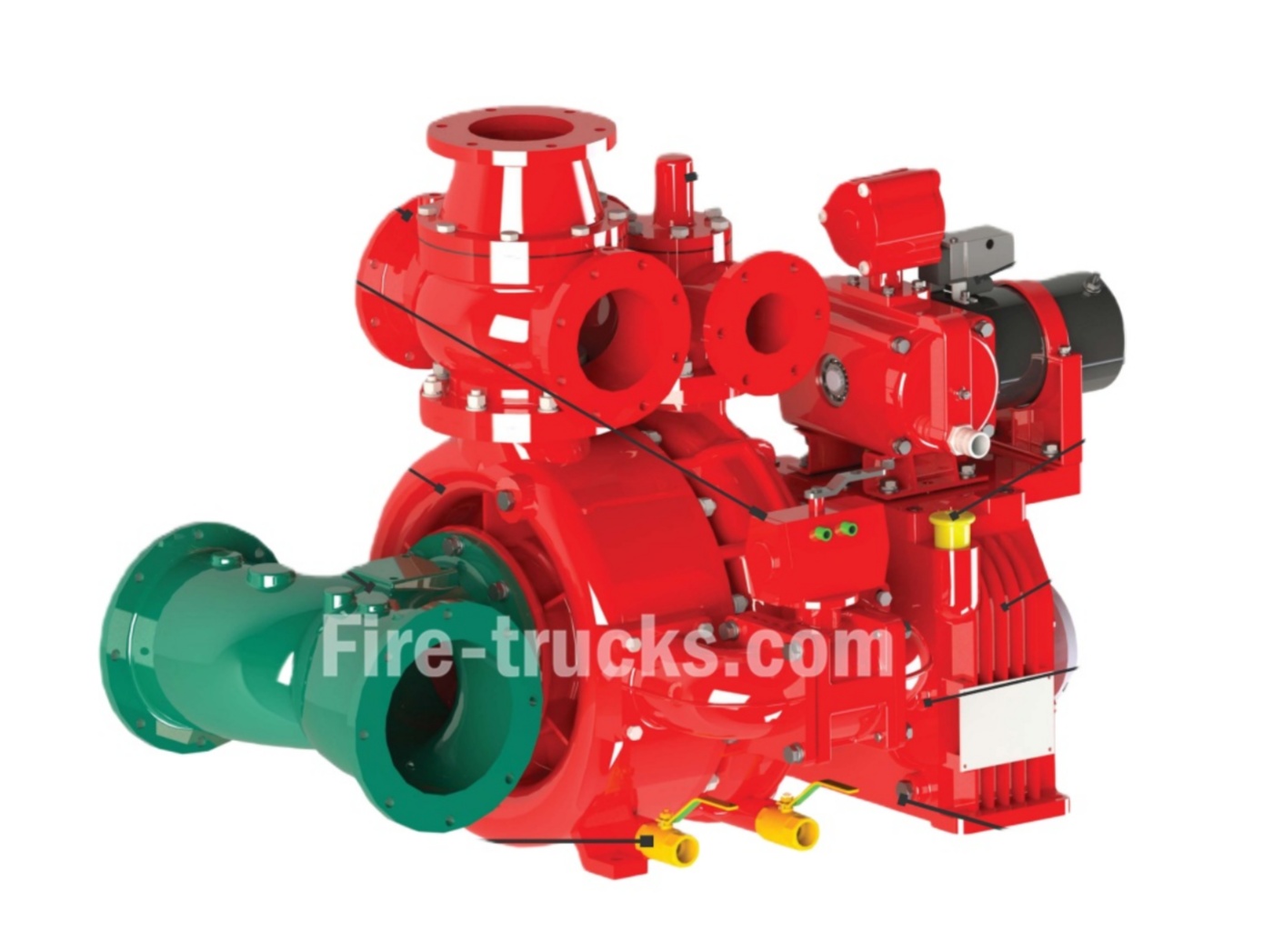
Sebagai seorang xiongzhen profesional pengeluar pam kebakaran di China, Trak Powerstar memiliki siri produk jenama sendiri "Xiongzhen", termasuk pam bomba tekanan rendah, pam bomba tekanan sederhana rendah, dan pam bomba tekanan tinggi rendah yang dipasang pada kenderaan, serta peralatan sokongan seperti pemantau kebakaran dan pengatur busa. Pam bombanya menggunakan bahan baharu seperti aloi aluminium dan keluli tahan karat, dan dilengkapi dengan peranti penyingkiran automatik klac elektromagnet dan injap sehala, yang menampilkan prestasi cemerlang, operasi mudah, dan penyelenggaraan yang mudah. Produk syarikat telah lulus ujian jenis oleh Pusat Penyeliaan dan Pemeriksaan Kualiti Peralatan Kebakaran Kebangsaan, pensijilan CCC, dan pensijilan sistem pengurusan kualiti ISO9001. Pam bomba Xiongzhen terutamanya merangkumi model berikut: CB10/20-XZ, CB10/30-XZ , CB10/40-XZ, CB10/60-XZ , CB10/80-XZ, CB10/100-XZ, CB20.10/15.30-XZ, CB20.10/20.40-XZ, CB20.10/30.60-XZ, dsb. PAM BOMBA CB10/20-XZ untuk trak bomba PAM BOMBA CB10/30-XZ untuk trak bomba Pam bomba Model CB10/40-XZ untuk jentera bomba China Pam bomba Model CB10-60 untuk trak penyelamat kebakaran Pam Bomba Kecemasan CB10/80-XZ untuk trak bomba Pam pemadam kebakaran CB10/100-XZ untuk kenderaan bomba Spesifikasi Sistem Pam Kebakaran xiongzhen CB10/100-XZ Pengilang Pam Kebakaran siri xiongzhen CB Spesifikasi Set Pam Bomba CB10/150 Sistem Pam Pemadam Kebakaran CB10/160-XZ kilang xiongzhen Spesifikasi Pam Kebakaran Kecemasan CB10/170-XZ Trak Powerstar mempunyai keupayaan teknikal yang kukuh, memegang empat paten, dan menggunakan peralatan pengeluaran canggih seperti penggubalan CAD dan peralatan mesin CNC untuk memastikan kadar kelayakan produk yang tinggi dan kepuasan pelanggan. Produknya disasarkan terutamanya kepada loji pengubahsuaian trak bomba dan pasukan bomba. Butiran spesifikasi pam bomba CB20.10 20.40 Pam Bomba CB20.10 30.60-XZ oleh kilang xiongzhen Pam kebakaran siri CB20/15-XZ pam kebakaran kecemasan siri CB20/20-XZ Butiran Pemasangan Pam Kebakaran CB20 25 Berikut ialah jadual penyelenggaraan untuk XIONGZHEN anda pam bomba , dikategorikan mengikut minggu, bulan, suku tahun dan tahun untuk rujukan mudah: 01, Pemeriksaan Harian Pam Bomba Powersar: Periksa tekanan mula-henti dan frekuensi pam penstabil tekanan. Periksa kuasa bateri penghidup pam bomba enjin diesel. Periksa rupa injap kawalan sumber air dan pemasangan injap penggera untuk kerosakan. 02, Pam Bomba Powersar Pemeriksaan Mingguan: Uji jalankan pam bomba motor penghidup automatik. Periksa paras bahan api pam bomba enjin diesel. 03, Pam Bomba Powersar Pemeriksaan Bulanan: Uji jalankan motor penghidup manual pam bomba dan pam bomba enjin diesel. Periksa paras air tangki air bomba dan tangki air bomba yang dinaikkan. Periksa tekanan udara, paras air dan isipadu berkesan tangki tekanan. Periksa integriti pengedap dan rantai semua injap kawalan sistem. Periksa perbezaan tekanan pencegah aliran balik. 04, Pam Bomba Powersar Pemeriksaan Su...
Perincian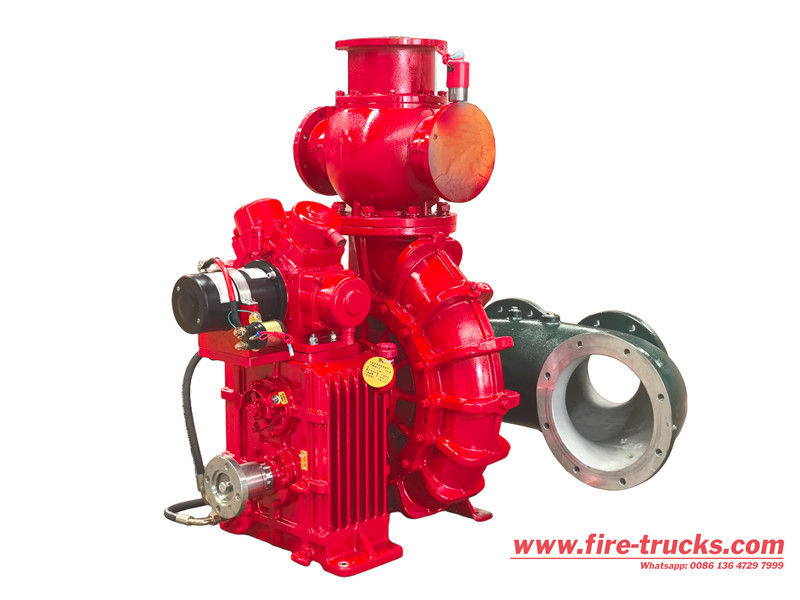
Pam pemadam kebakaran buih CB10/140 ialah sistem bekalan air kebakaran yang dipasang pada kenderaan atau pegun yang biasa digunakan dengan tekanan undian 1.0 MPa dan kadar aliran undian 140 L/s, memenuhi keperluan bekalan air teras sistem pemadam kebakaran. Badan pam dan pendesak dibina daripada bahan berkualiti tinggi dan tahan haus, menawarkan rintangan kakisan dan rintangan tekanan tinggi. Ia mempunyai reka bentuk dwi-saluran masuk untuk pensuisan sumber air yang pantas dan dipacu oleh motor atau enjin diesel berkecekapan tinggi, mencapai masa tindak balas permulaan selama 30 saat atau kurang. Dengan reka bentuknya yang padat, penyelenggaraan yang mudah dan operasi yang boleh dipercayai, Pam pemadam kebakaran busa CB10/140 merupakan peralatan penting bagi memastikan bekalan air yang cekap untuk operasi memadam kebakaran. Pam bomba yang dipasang pada trak tekanan rendah CB10/140-XZ mempunyai struktur emparan satu peringkat dengan selongsong pam aloi aluminium dan pendesak tembaga. Ia menggunakan sistem penyebuan air empat omboh elektrik dengan pensuisan elektrik. Pam buih CB10/20 pilihan menggunakan mekanisme pemisahan pneumatik. Produk ini menawarkan prestasi cemerlang, struktur padat, operasi mudah dan penyelenggaraan mudah. Pam bomba CB10/140-XZ ialah pam air emparan satu peringkat yang digunakan dalam trak bomba, dicirikan oleh peranti penyebuan dua omboh yang secara automatik mengaktifkan dan melepaskan. Ia direka bentuk untuk prestasi tinggi dengan struktur padat, operasi mudah dan penyelenggaraan yang mudah. Spesifikasi utama termasuk kadar aliran \(140\) L/s dan tekanan keluar \(1.0\) MPa pada kelajuan undian \(2600) r/min. » . Prinsip kerja pam pemadam kebakaran busa CB10/140 ● Pengambilan air dan pekatan buih: Air diambil daripada bekalan, dan busa pekat diambil daripada tangki simpanannya. ● Perkadaran: Alat pengatur mencampurkan pekatan busa dengan air pada nisbah yang telah ditentukan. ● Tekanan: Pam itu memberi tekanan kepada campuran, meningkatkan halaju dan tekanannya. ● Pelepasan: Larutan buih bertekanan ditolak melalui hos pelepasan ke muncung, di mana ia dinyahcas ke atas api. ● Penindasan kebakaran: Buih tersebut menyelimuti sumber bahan api, memisahkannya daripada oksigen dan memadamkan api. » . Pengenalan terperinci pam pemadam kebakaran buih CB10/140 1. Reka Bentuk Struktur Superior, Prestasi Stabil dan Boleh Dipercayai: ● Yang Pam bomba CB10/140 mempunyai reka bentuk emparan satu peringkat dan dibina daripada aloi aluminium berkekuatan tinggi, menawarkan kelebihan seperti ringan, rintangan kakisan dan rintangan suhu tinggi. ● Struktur dalaman pam dimesin dengan tepat, memastikan aliran yang lancar dan prestasi hidraulik yang cemerlang. Pengedap mekanikal menghalang kebocoran dan memastikan kebolehpercayaan operasi jangka panjang. ● Pam bomba ini mempunyai kapasiti sedutan dan pelepasan yang berkuasa, menjadikannya sesuai untuk pelbagai kenderaan pemadam kebakaran bersaiz sederhana dan besar serta peralatan pemadam kebaka...
Perincian
Sila baca selanjutnya, terus berhubung, langgan, dan kami mengalu-alukan anda untuk berkongsi pendapat anda.

 Rangkaian IPv6 disokong

 Melayu
 English
 français
 Deutsch
 русский
 italiano
 español
 português
 Nederlands
 العربية
 日本語
日本語 한국의
한국의 Türkçe
 ไทย
ไทย Tiếng Việt
 Indonesia
  中文
中文 қазақ
қазақ Filipino
 မြန်မာ
 српски